
Gambling is older than coins, and the objects people used to do it with are still being dug up. What survived into modern slot design is the imagery — the symbols, the sevens, the lucky number seven itself — not any mechanism that changes an outcome. This page separates the two.
What the archaeology actually shows
The oldest randomising devices were animal ankle bones. Four-sided and uneven, astragali were thrown for games and for divination across the ancient Mediterranean, and the practice of reading them for answers has its own name, astragalomancy. Cubic dice with pips came later and spread with Roman games.
Two things are worth noticing. The bones were genuinely random, within the limits of their lopsided shape, and nobody had a way to verify fairness: the thrower and the reader were often the same person. Verification is the modern part of the story, not the ritual.
How ancient themes ended up on the reels
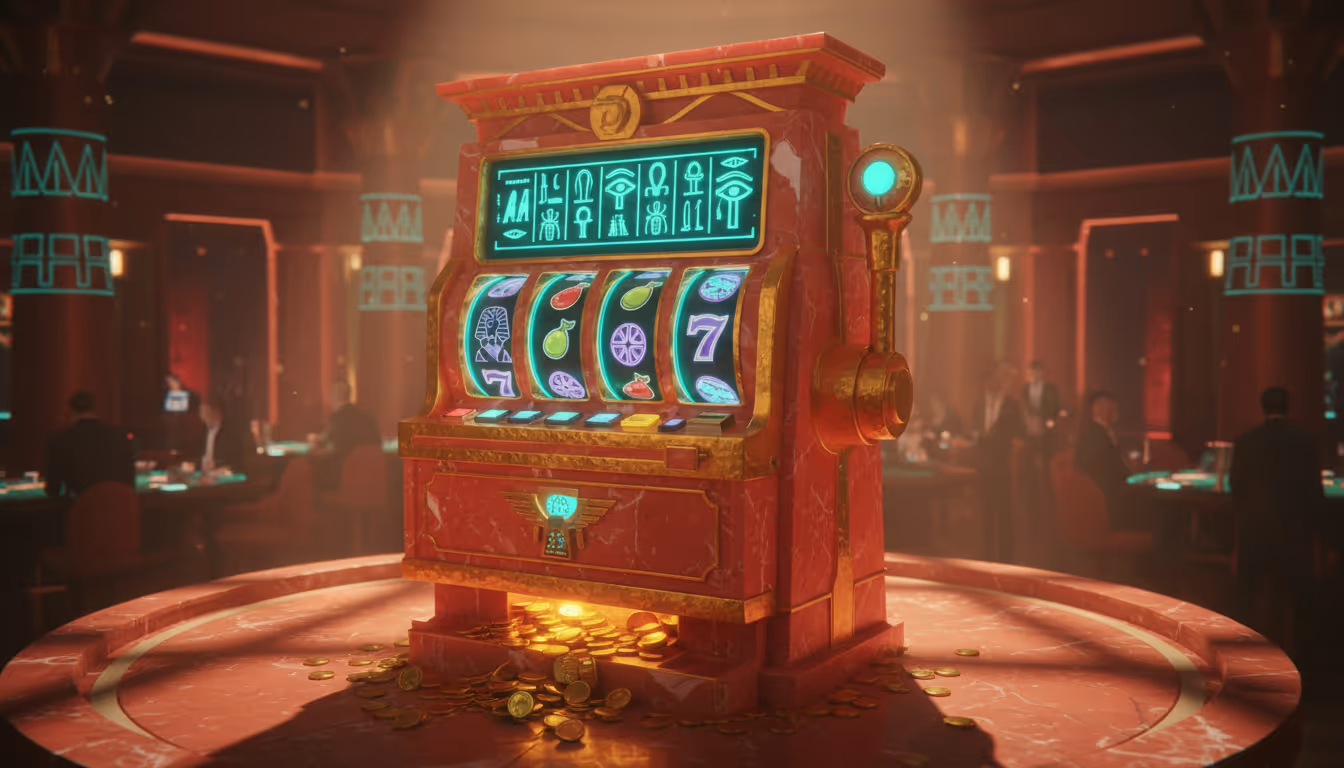
Egyptian tombs, Norse gods and Roman legions are among the most common slot themes, and the reason is commercial rather than mystical: the iconography is instantly readable, out of copyright, and carries a sense of treasure. A studio can ship a tomb-raiding title without licensing a film franchise.
The mechanics underneath are the same in every theme. A random number generator maps numbers to symbol positions through a fixed weighting table, and the return to player is decided by that table — not by the pantheon painted over it.
| Element | Ancient origin | What it does in a modern slot |
|---|---|---|
| Astragali and dice | Games and divination | Nothing — replaced by software |
| Lucky number seven | Several religious traditions | A high-value symbol, nothing more |
| Tomb and temple art | Egypt, Rome, Mesoamerica | Theme and marketing, no effect on maths |
| Ritual before the throw | Appeals to fortune | Changes how the session feels, not the result |
Why the ritual feels like it works
Rituals before a spin — a tap, a pause, a chosen seat — persist because they are followed, often enough, by a win. Any schedule that pays unpredictably produces that illusion, which is a general finding about reinforcement rather than anything to do with casinos.
The belief becomes expensive only when it changes stake size. A ritual that costs nothing is harmless; a ritual that says «this is the lucky one, bet more» is the gambler’s fallacy with a costume on.
One check cuts through every theme: open the game information screen. The configured return, the volatility and the maximum win are stated there, and they are the same whether the symbols are gods or fruit.
Frequently asked questions
Do rituals change a slot outcome?
No. The result is drawn by a certified random number generator before the reels animate, and nothing a player does between spins enters that draw.
Which ancient cultures show up most in slot themes?
Ancient Egypt by a wide margin, then Norse mythology, Rome and Mesoamerica. The imagery is recognisable and free to use, which is the actual reason.
Were ancient games of chance fair?
They were random but unverifiable. Modern games are the opposite: opaque by design, then tested by an independent laboratory against a published standard.
Is a lucky seat or a lucky time worth anything?
Only as entertainment. It costs nothing until it starts justifying a bigger stake, which is the point where a harmless habit turns into a loss.
Background on the devices themselves: knucklebones.
Related reading: how the randomness is actually produced, what court records show about high-stakes play, the one casino game where skill moves the edge and why almost-winning feels like winning.